In commercial transportation, braking stability directly affects road safety, cargo protection, fleet efficiency, and maintenance costs. Among the many components in a truck braking system, the left braking base plate plays a vital role in supporting brake assemblies, improving durability, and ensuring consistent braking action under extreme operating conditions. This article explores its functions, materials, applications, maintenance methods, common customer concerns, and practical purchasing considerations for truck owners, wholesalers, distributors, and fleet managers.
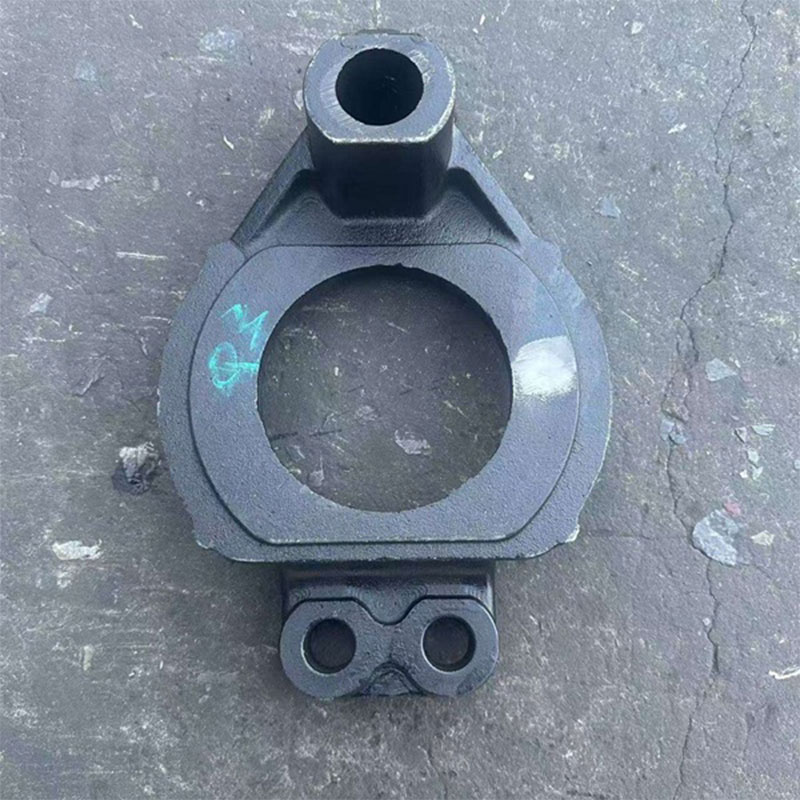
1. What Is a Truck Part -Left Braking Base Plate?
The truck left braking base plate is a structural component installed within the truck brake assembly. It acts as the mounting foundation for brake shoes, springs, wheel cylinders, and related brake hardware. Positioned on the left side of the axle assembly, it helps maintain alignment and mechanical support during braking operations.
Heavy-duty trucks experience constant stress from cargo loads, long-distance transportation, steep road gradients, and high temperatures. The braking base plate must therefore withstand continuous friction, vibration, moisture, and corrosion without deforming or cracking.
A high-quality left braking base plate contributes to:
-
Stable braking performance
-
Reduced brake wear
-
Lower maintenance frequency
-
Improved vehicle safety
-
Better heat dissipation
-
Enhanced durability under extreme loads
|
Feature
|
Function
|
|
Structural Support
|
Holds brake components securely in place
|
|
Heat Resistance
|
Handles high temperatures during braking
|
|
Corrosion Protection
|
Prevents rust in harsh environments
|
|
Durability
|
Supports long operational lifespan
|
2. Why Is the Left Braking Base Plate Important?
Many fleet operators focus primarily on brake pads or brake drums while overlooking the importance of the braking base plate. However, even premium brake linings cannot perform properly if the base plate becomes damaged or misaligned.
The braking base plate directly affects:
-
Brake response time
-
Brake shoe alignment
-
Wheel stability
-
Brake noise reduction
-
Safety under emergency braking
If the left braking base plate becomes bent or corroded, it may cause uneven brake wear, pulling during braking, or reduced braking efficiency. In commercial transportation, such issues can result in downtime, cargo delays, and increased repair costs.
Key Insight: A durable braking base plate helps maintain balanced force distribution throughout the brake system, especially in heavy-duty trucks operating under demanding road and weather conditions.
3. Main Components Connected to the Braking Base Plate
The left braking base plate works together with several brake system components. Understanding these relationships helps customers identify compatibility requirements and replacement priorities.
|
Connected Component
|
Purpose
|
|
Brake Shoes
|
Create friction against brake drums
|
|
Wheel Cylinder
|
Applies hydraulic force
|
|
Return Springs
|
Return brake shoes after braking
|
|
Brake Drum
|
Provides braking surface
|
|
Adjusters
|
Maintain proper brake clearance
|
Proper integration among these components ensures smooth and reliable braking performance across different driving conditions.
4. Which Materials Are Used in Manufacturing?
Manufacturers use various materials depending on truck type, load requirements, and environmental conditions.
Common materials include:
-
High-strength steel
-
Cast iron
-
Carbon steel alloys
-
Corrosion-resistant coated metals
Advanced manufacturing methods may also include precision stamping, robotic welding, CNC machining, and anti-rust coating technology.
|
Material
|
Advantages
|
Typical Application
|
|
Carbon Steel
|
High durability and affordability
|
General heavy trucks
|
|
Cast Iron
|
Excellent heat resistance
|
High-load vehicles
|
|
Alloy Steel
|
Improved strength-to-weight ratio
|
Long-haul transportation
|
|
Coated Steel
|
Superior corrosion protection
|
Wet or coastal regions
|
5. Where Are Left Braking Base Plates Commonly Used?
Truck left braking base plates are widely used across commercial transportation industries.
-
Heavy-duty cargo trucks
-
Construction dump trucks
-
Mining transportation vehicles
-
Oil and gas logistics trucks
-
Long-distance freight fleets
-
Agricultural transportation equipment
-
Trailer systems
Different applications require different dimensions, mounting hole configurations, and strength specifications.
For example, mining trucks often require reinforced braking base plates capable of handling extremely high temperatures and dusty environments. Long-distance highway trucks, on the other hand, prioritize lightweight durability and corrosion resistance.
6. Common Problems and Failure Symptoms
Over time, braking base plates may experience wear, fatigue, or environmental damage.
Common issues include:
-
Rust and corrosion
-
Metal cracking
-
Brake shoe misalignment
-
Loose mounting points
-
Excessive vibration
-
Abnormal brake noise
-
Reduced braking efficiency
|
Problem
|
Possible Cause
|
Recommended Action
|
|
Brake Pulling
|
Plate deformation
|
Replace damaged plate
|
|
Noise During Braking
|
Loose hardware
|
Inspect mounting points
|
|
Uneven Wear
|
Improper alignment
|
Check brake assembly
|
|
Rust Damage
|
Moisture exposure
|
Use coated components
|
7. How to Choose the Right Truck Left Braking Base Plate
Selecting the correct braking base plate is critical for operational safety and compatibility.
Buyers should evaluate:
-
Truck model compatibility
-
Axle specifications
-
Load capacity requirements
-
Material quality
-
Corrosion resistance
-
Dimensional precision
-
Manufacturing standards
Fleet managers should also consider supplier consistency, production capability, and technical support availability.
Purchasing Tip: Always verify OEM numbers, installation dimensions, and brake system specifications before placing bulk orders.
8. Maintenance Tips for Longer Service Life
Routine maintenance significantly extends the service life of truck braking components.
-
Inspect brake assemblies regularly
-
Check for rust and deformation
-
Clean dirt and debris accumulation
-
Lubricate moving components properly
-
Replace damaged hardware immediately
-
Monitor brake shoe wear patterns
-
Perform scheduled fleet inspections
Preventive maintenance helps reduce unexpected downtime and improves road safety for commercial fleets.
9. OEM vs Aftermarket Braking Base Plates
Customers often compare OEM and aftermarket truck brake components before purchasing.
|
Factor
|
OEM Parts
|
Aftermarket Parts
|
|
Compatibility
|
Exact fit
|
May vary by supplier
|
|
Price
|
Usually higher
|
More cost-effective
|
|
Availability
|
Limited channels
|
Widely available
|
|
Customization
|
Limited
|
Flexible options
|
Reliable aftermarket suppliers can often provide high-quality alternatives that meet commercial fleet requirements while reducing procurement costs.
10. Future Trends in Truck Brake Components
As the transportation industry evolves, truck brake components continue advancing in durability, manufacturing precision, and environmental performance.
Emerging trends include:
-
Lightweight alloy materials
-
Improved anti-corrosion coatings
-
Smart monitoring integration
-
Enhanced heat-resistant structures
-
Automated manufacturing technologies
-
Longer maintenance intervals
Modern logistics companies increasingly demand brake components capable of supporting higher efficiency, lower maintenance costs, and safer transportation operations.
11. Frequently Asked Questions
Q1: How often should a truck left braking base plate be inspected?
Brake components should generally be inspected during routine brake maintenance intervals or whenever abnormal braking symptoms occur.
Q2: Can rust affect braking performance?
Yes. Severe corrosion may weaken structural integrity and affect brake alignment and efficiency.
Q3: What causes brake pulling on one side?
Possible causes include base plate deformation, uneven brake wear, or damaged brake hardware.
Q4: Are aftermarket braking base plates reliable?
High-quality aftermarket products manufactured to strict standards can provide dependable performance and durability.
Q5: Which trucks use left braking base plates?
Most heavy-duty trucks, trailers, commercial vehicles, and industrial transportation systems use braking base plates within their brake assemblies.
Q6: Why is dimensional accuracy important?
Incorrect dimensions may lead to installation issues, brake misalignment, and reduced operational safety.
12. Conclusion
The truck part -left braking base plate is a critical component within commercial vehicle brake systems. Its strength, dimensional accuracy, and durability directly influence braking efficiency, vehicle stability, and long-term operational safety.
Whether used in freight transportation, construction logistics, mining operations, or industrial fleets, selecting a high-quality braking base plate helps reduce maintenance costs, minimize downtime, and improve transportation reliability.
Professional buyers should always prioritize material quality, manufacturing precision, compatibility verification, and supplier reliability when sourcing truck brake components.
Looking for reliable truck brake components with stable quality and competitive pricing?
Shandong Skyond Import and Export Trading Co., Ltd. specializes in supplying durable truck parts designed for demanding commercial transportation applications.
Contact us today to discuss your product requirements, OEM customization needs, bulk purchasing plans, and global distribution opportunities.


 Sales Manager
 email